


- Dr. Vivek Salunke
- 0 Comments
How Painful Are Endometriosis Periods? When Should You See a Specialist?
Most women experience some discomfort during their periods. However, period pain that disrupts your daily life is not normal. If your menstrual cramps leave you unable to work, attend school, or enjoy everyday activities, it may be more than just a painful period—it could be endometriosis.
If you are experiencing severe period pain in Mumbai, India, it is important not to ignore your symptoms. Many women continue to live with pain for years before receiving the correct diagnosis, often assuming that painful periods are simply a part of life.
Endometriosis affects an estimated 1 in 10 women of reproductive age, yet many women experience a delay in diagnosis because the symptoms can vary and are sometimes mistaken for other conditions.
What Is Endometriosis?
Endometriosis is a condition in which tissue similar to the lining of the uterus (endometrium) grows outside the uterus. These growths can develop on the ovaries, fallopian tubes, pelvic lining, bowel, bladder, and, in rare cases, other parts of the body.
Like the uterine lining, this tissue responds to hormonal changes during each menstrual cycle. However, because it cannot leave the body, it may lead to inflammation, bleeding, scar tissue, adhesions, and severe pelvic pain.
Specialists in Mumbai, India, are seeing an increasing number of women seeking evaluation for chronic pelvic pain, highlighting the importance of greater awareness and early diagnosis.
How Painful Are Endometriosis Periods?
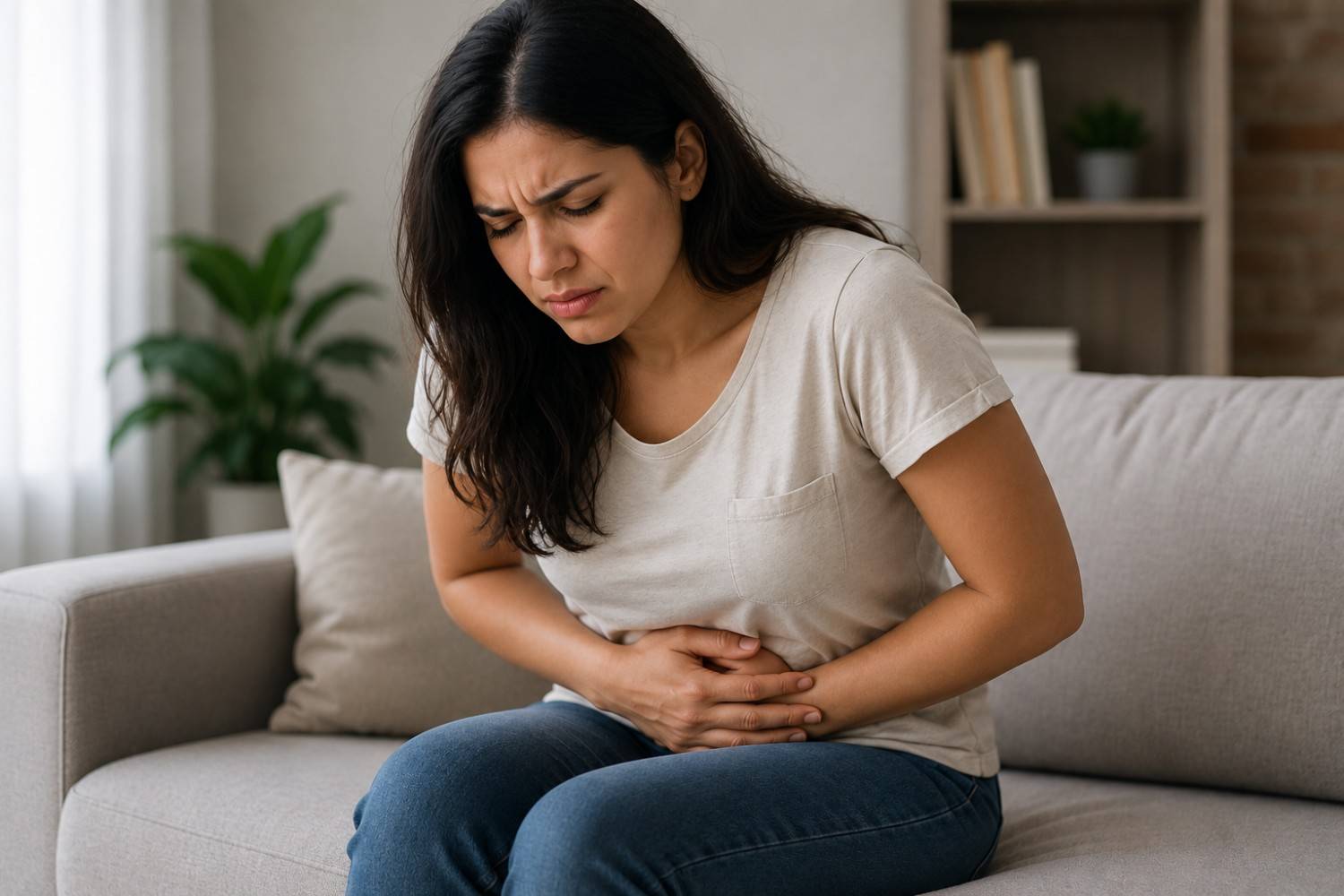
Women with endometriosis often describe their period pain as being far more severe than typical menstrual cramps.
The pain may:
- Feel sharp, stabbing, burning, or throbbing.
- Begin several days before the period starts.
- Continue throughout menstruation and sometimes even after the period ends.
- Spread to the lower back, hips, buttocks, or legs.
- Make standing, walking, or sitting uncomfortable.
- Continue despite taking over-the-counter pain medications.
Some women report pain so intense that they need to miss work or school, avoid social activities, or seek emergency medical care.
Normal Period Cramps vs. Endometriosis Pain
| Normal Menstrual Cramps | Endometriosis Period Pain |
|---|---|
| Mild to moderate discomfort | Severe or debilitating pain |
| Usually lasts 1–2 days | Can last several days before, during, and after periods |
| Improves with rest or pain relief | Often persists despite medication |
| Rarely affects daily routine | Frequently interferes with work, school, and daily activities |
| Limited to the lower abdomen | May spread to the back, legs, bowel, or bladder |
If your pain prevents you from living your normal life, it should not be ignored.
Other Symptoms That May Accompany Painful Periods
In addition to severe menstrual pain, endometriosis may cause:
- Heavy or prolonged periods
- Chronic pelvic pain
- Pain during or after sexual intercourse
- Pain while passing urine or bowel movements, especially during menstruation
- Constipation, diarrhea, or bloating
- Lower back pain
- Fatigue
- Difficulty becoming pregnant
- Nausea during periods
Not every woman experiences the same symptoms, and the severity of pain does not always reflect the extent of the disease.
Why Does Endometriosis Cause So Much Pain?
Endometriosis causes pain because the misplaced tissue responds to hormonal changes every month.
During each menstrual cycle:
- The tissue becomes inflamed.
- Small amounts of bleeding occur around the lesions.
- Inflammation irritates nearby organs and nerves.
- Scar tissue (adhesions) can develop over time.
- Pelvic nerves become more sensitive, leading to persistent pain.
As the condition progresses, organs may become stuck together due to adhesions, making pain even more severe.
When Should You See a Specialist?
You should consult an endometriosis specialist if you experience:
- Period pain that prevents you from working or attending school.
- Pain that does not improve with pain medications.
- Pain before, during, and after your menstrual cycle.
- Pain during sexual intercourse.
- Painful urination or bowel movements during periods.
- Difficulty conceiving.
- Pelvic pain between menstrual cycles.
- Symptoms that continue to worsen over time.
If you are experiencing any of these symptoms, consulting an experienced specialist in Mumbai, India, can help you receive an accurate diagnosis and an individualized treatment plan.
How Is Endometriosis Diagnosed?
Diagnosing endometriosis usually involves a combination of medical history, physical examination, and imaging.
Medical History
Your doctor will ask detailed questions about your symptoms, menstrual cycle, pain pattern, and reproductive health.
Pelvic Examination
A pelvic examination may identify areas of tenderness or abnormalities.
Ultrasound
Ultrasound is commonly used to detect ovarian endometriomas (chocolate cysts). However, smaller endometriosis lesions may not always be visible.
MRI
MRI may be recommended if deep infiltrating endometriosis is suspected.
Laparoscopy
Laparoscopy is considered the most accurate method for diagnosing endometriosis and allows the surgeon to treat visible lesions during the same procedure when appropriate.
Many advanced centres in Mumbai, India, offer comprehensive evaluation using modern imaging and minimally invasive surgical techniques for women with suspected endometriosis.
Treatment Options for Endometriosis
Treatment depends on the severity of symptoms, age, fertility goals, and the extent of the disease.
Pain Management
Pain-relieving medications may help reduce discomfort, particularly in mild cases.
Hormonal Therapy
Hormonal medications can help suppress menstrual cycles and reduce endometriosis-related pain.
Laparoscopic Excision Surgery
For women with moderate to severe endometriosis, laparoscopic excision surgery performed by an experienced endometriosis surgeon may provide significant pain relief while preserving fertility whenever possible.
Lifestyle Modifications
Lifestyle changes may also support symptom management, including:
- Regular exercise
- Healthy sleep habits
- Stress management
- Anti-inflammatory diet
- Pelvic floor physiotherapy when recommended
These approaches are most effective when combined with appropriate medical care.
Can Endometriosis Pain Be Ignored?
Ignoring severe menstrual pain may allow the disease to progress and increase the risk of:
- Chronic pelvic pain
- Scar tissue formation
- Fertility challenges
- Reduced quality of life
- Emotional stress and anxiety
Seeking medical attention early can improve treatment outcomes and help prevent long-term complications.
Frequently Asked Questions
Are painful periods always caused by endometriosis?
No. Painful periods can also result from adenomyosis, fibroids, pelvic inflammatory disease, or primary dysmenorrhea. A specialist can identify the underlying cause.
Can I have endometriosis if my ultrasound is normal?
Yes. A normal ultrasound does not rule out endometriosis because superficial lesions are often not visible on routine imaging.
Is severe period pain normal?
No. Mild menstrual cramps are common, but pain that interferes with your daily activities is not considered normal and should be evaluated by a healthcare professional.
Can endometriosis become worse over time?
Yes. In some women, endometriosis can progress and lead to increasing pain, scar tissue formation, and fertility issues if left untreated.
Painful periods should never be dismissed as something you simply have to live with. If your menstrual pain is severe, persistent, or affecting your work, relationships, fertility, or overall quality of life, it may be a sign of endometriosis rather than ordinary menstrual cramps.
Early diagnosis and timely treatment can help relieve symptoms, preserve fertility, and improve your long-term well-being. If you are looking for expert endometriosis care in Mumbai, India, Dr. Vivek Salunke, an Advanced Laparoscopic and Robotic Endometriosis Surgeon at Nalini Speciality Hospital, Mumbai, India, specializes in diagnosing and treating simple to complex cases of endometriosis. With over 28 years of surgical experience, advanced training in minimally invasive and robotic surgery, and expertise in fertility-preserving techniques, Dr. Salunke offers personalized treatment plans tailored to each patient’s needs.
Whether you are experiencing severe period pain, chronic pelvic pain, infertility, or recurrent endometriosis, the experienced team at Nalini Speciality Hospital, Mumbai, India, is committed to providing comprehensive evaluation, advanced treatment, and compassionate care to help women regain their health and improve their quality of life. If your symptoms are affecting your everyday life, don’t delay seeking specialist advice—early intervention can make a meaningful difference.